If you've been researching masonry repair, you've probably seen both "tuckpointing" and "repointing" used to describe what seems like the same service. Are they the same thing? Technically, no — but in practice, it's complicated. Here's what you actually need to know.
The Technical Difference
Repointing
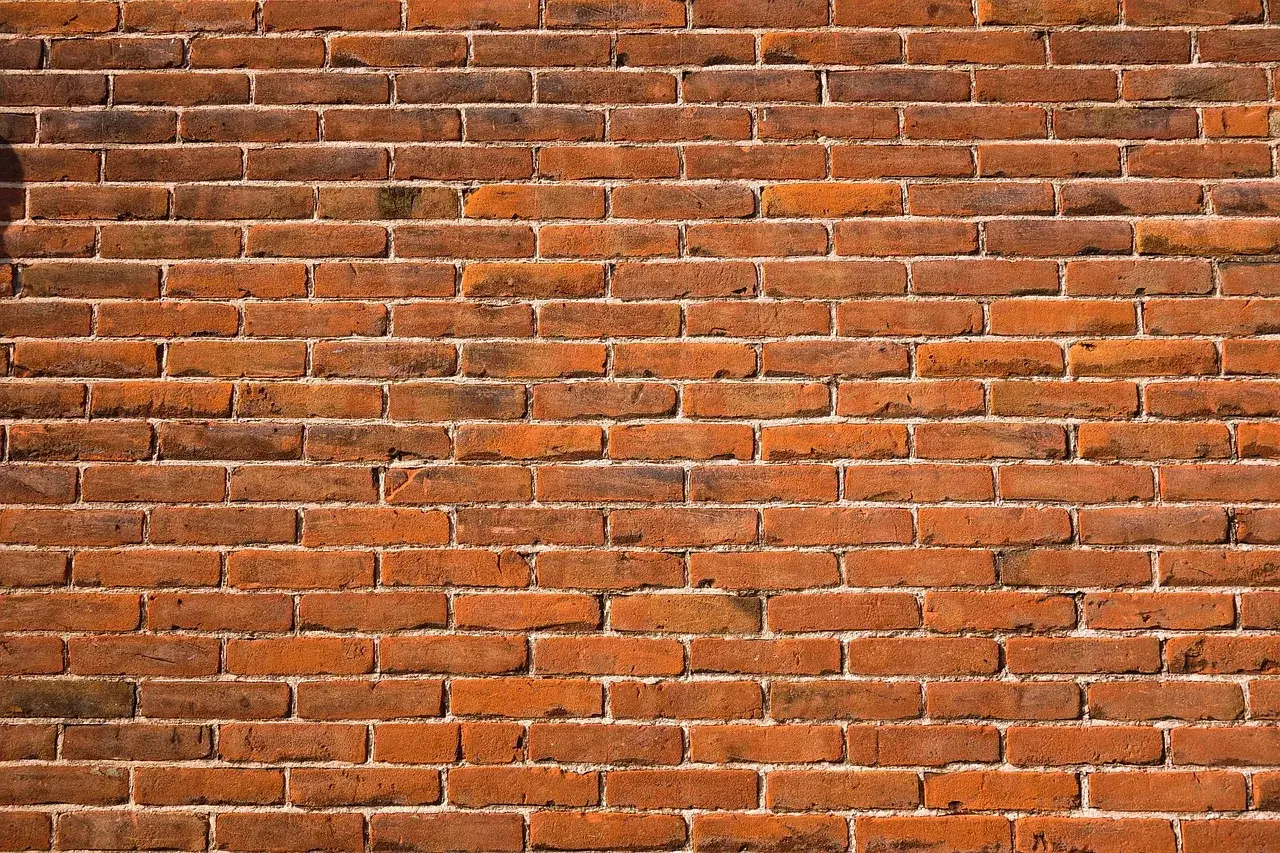
Repointing is the straightforward process of removing deteriorated mortar from brick joints and replacing it with fresh mortar. The old mortar is ground or chiseled out to a depth of at least ¾ inch, and new mortar is packed into the joint and tooled to the proper profile. The new mortar matches (or is close to) the existing mortar color.
Tuckpointing
Tuckpointing, in its original British definition, is a specific decorative technique. The mason fills the joints with mortar that matches the brick color, creating a flat, uniform appearance. Then, a thin line of contrasting mortar (usually white or light-colored) is pressed into the center of each joint, creating the illusion of perfectly fine, precise joints. This was popular in 18th and 19th century English brickwork to make rough, irregular bricks appear more refined.
How the Terms Are Used Today
In modern American usage — particularly in the Midwest — "tuckpointing" and "repointing" mean the same thing. When a contractor in Northern Illinois offers "tuckpointing," they're referring to standard mortar joint restoration (technically, repointing). True decorative tuckpointing with two-color mortar is extremely rare today and is mainly limited to historic preservation projects.
So when you hire a tuckpointing contractor in McHenry or Lake County, you're getting mortar replacement — regardless of which term is used. Don't worry about the terminology; focus on the quality of the work.
When Do You Need This Service?
Whether you call it tuckpointing or repointing, you need mortar restoration when:
- Mortar is crumbling, cracking, or falling out of joints
- Joints are recessed more than ¼ inch behind the brick face
- You can scrape mortar out with a key or fingernail
- White powdery deposits (efflorescence) appear on brick surfaces
- Water stains or dampness appear on interior walls near exterior masonry
- Bricks are loose or shifting in the wall
Cost Comparison
Since tuckpointing and repointing refer to the same service in our region, the cost is identical: $8–$15 per square foot in Northern Illinois. Pricing depends on wall height, mortar condition, accessibility, and mortar color matching requirements. True decorative tuckpointing with two-tone mortar — if you specifically want the historic technique — runs 30–50% more due to additional labor and materials.
What Matters More Than Terminology
Instead of debating tuckpointing vs repointing, focus on these quality indicators when hiring a masonry contractor:
- 1.Mortar removal depth — at least ¾ inch, not just surface scraping
- 2.Correct mortar type — compatible with your brick age and hardness
- 3.Proper joint profile — concave joints shed water best
- 4.Color matching — new mortar should blend with existing work
- 5.Cleanup — professional grinding and finishing with no mortar smears on brick faces
Get a Free Mortar Assessment
RCC Masonry & Concrete provides free assessments and estimates for tuckpointing (or repointing — we answer to both!) throughout McHenry and Lake County. Call (224) 441-5284 to schedule yours.