When your brickwork starts showing cracks, crumbling mortar, or water damage, finding the right brick repair contractor becomes urgent. But how do you separate skilled masons from fly-by-night operators? This guide walks you through everything you need to know about hiring a brick repair contractor — from what credentials to look for to the questions that reveal whether a contractor actually knows what they're doing.
When Do You Need a Brick Repair Contractor?
Not every brick issue requires professional intervention, but most do. Here are the situations where you should call a professional masonry contractor:
- Crumbling or missing mortar between bricks (requires tuckpointing)
- Cracked, spalled, or broken bricks that need replacement
- Bulging or leaning brick walls (structural concern — don't delay)
- Water infiltration through brick walls causing interior damage
- Chimney brick damage, leaning, or deteriorated crown
- Foundation brick or block cracking
- Stair-step cracks in brick walls (potential settlement issue)
- Brick veneer separating from the wall structure
Small cosmetic mortar patches on ground-level walls might be DIY-appropriate. But anything involving structural integrity, height, chimneys, or water damage should be handled by a licensed professional with masonry-specific experience.
Types of Brick Repair Services
Understanding the type of repair you need helps you find the right contractor and evaluate quotes. Common brick repair services include:
Tuckpointing (Mortar Joint Repair)
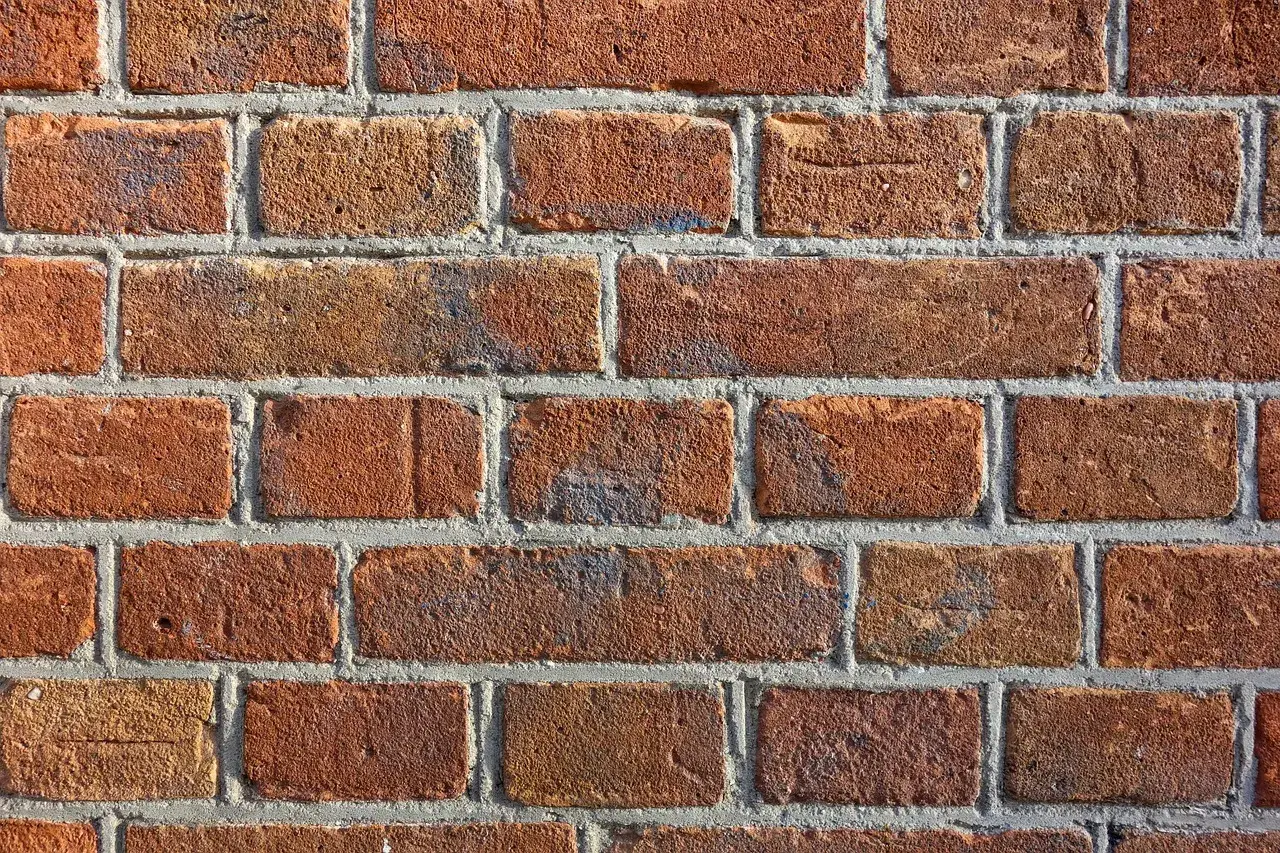
The most common brick repair service. Tuckpointing involves grinding out deteriorated mortar joints and replacing them with fresh mortar. A skilled mason matches the mortar color and type to your existing brickwork for a seamless appearance. This is a specialized trade — improper mortar selection or grinding technique can cause more damage than the original problem.
Brick Replacement
When individual bricks are cracked, spalled (face has flaked off), or broken, they need to be carefully removed and replaced with matching bricks. Finding matching bricks for older homes can be challenging — an experienced mason knows salvage sources and can blend new bricks to match aged patina. The surrounding mortar must also be properly matched and tooled.
Brick Veneer Repair
Brick veneer is a single layer of brick attached to a framed wall. When veneer separates, cracks, or shows water damage, repair involves reattaching or replacing the veneer layer and addressing the underlying moisture barrier. This is different from structural brick repair and requires understanding of veneer tie systems and weather barriers.
Structural Brick Repair
Bulging walls, stair-step cracks, and settlement-related damage are structural concerns that require a contractor experienced in structural masonry repair. These jobs often involve partial wall rebuilding, lintel replacement, and sometimes engineering consultation. This is not handyman-level work.
What to Look for in a Brick Repair Contractor
Choosing the right contractor is the single most important factor in a successful brick repair project. Here's what separates qualified masonry contractors from the rest:
Masonry-Specific Experience
Masonry is a specialized trade. A general contractor, handyman, or concrete contractor may not have the specific knowledge needed for proper mortar selection, joint profiles, and brick matching. Look for contractors whose primary business is masonry — not companies that list masonry as one of thirty services they offer.
Insurance and Licensing
At minimum, your contractor should carry general liability insurance ($1 million minimum) and workers' compensation insurance. Ask for certificates of insurance — not just verbal confirmation. If a contractor is reluctant to provide proof of insurance, that's a major red flag. Also verify any required municipal licenses or registrations for your area.
Portfolio and References
Ask to see photos of completed brick repair projects similar to yours. A contractor who specializes in masonry will have dozens or hundreds of project photos readily available. Request 2–3 references from recent customers and actually call them. Ask the references about communication, cleanliness, timeline accuracy, and quality of the finished work.
Written Estimates and Contracts
A professional contractor provides a detailed written estimate that itemizes materials, labor, scope of work, timeline, and warranty terms. Be wary of verbal quotes or vague estimates like "it'll be around $5,000." A detailed written proposal demonstrates professionalism and protects both parties. At RCC Masonry & Concrete, we provide free on-site estimates with full breakdowns — no surprises, no hidden fees.
Red Flags to Watch For
These warning signs should make you think twice before hiring:
- Requires large upfront payment before starting work (standard practice is a small deposit with progress payments)
- Cannot provide proof of insurance or avoids the question
- No written estimate or contract — everything is verbal
- Significantly undercuts all other bids (they're likely cutting corners on materials or skill level)
- Pressures you to decide immediately or offers a 'today-only' discount
- No portfolio, references, or online reviews to verify their work
- Uses terms like 'concrete mix' instead of proper mortar terminology — suggests they aren't masonry specialists
- Shows up in an unmarked vehicle with no company branding
Questions to Ask Before Hiring
These questions help you evaluate a contractor's expertise and professionalism:
- 1. "What type of mortar will you use, and why?"
A knowledgeable mason will explain mortar type selection based on your brick age and condition. If they can't explain the difference between Type N, S, O, and K mortars, they may not have the expertise needed.
- 2. "How deep will you grind the joints?"
Proper tuckpointing requires grinding joints to a minimum depth of ¾ inch. Shallow grinding (¼ to ½ inch) is a shortcut that leads to premature mortar failure.
- 3. "Do you match mortar color?"
Mismatched mortar is highly visible and looks unprofessional. Quality contractors custom-blend pigments for a seamless match.
- 4. "What's your warranty?"
Reputable masonry contractors offer 2–5 year workmanship warranties. No warranty = no accountability.
- 5. "Can I see your insurance certificates?"
This should be an easy 'yes.' Hesitation is a red flag.
Brick Repair Cost Expectations
Understanding typical costs helps you evaluate quotes and budget appropriately:
| Service | Typical Cost |
|---|---|
| Tuckpointing (mortar repair) | $8 – $15 / sq ft |
| Individual brick replacement | $5 – $15 / brick |
| Chimney repair | $800 – $3,000 |
| Brick veneer repair | $1,500 – $5,000 |
| Structural wall repair | $3,000 – $10,000+ |
| Full wall reconstruction | $15,000 – $40,000+ |
Why Choose a Local Masonry Contractor?
Local masonry contractors understand regional building practices, climate challenges, and common brick types in your area. In Northern Illinois, freeze-thaw cycles are the primary enemy of brickwork — a local contractor knows which mortar types perform best in this climate and can identify problems specific to homes in McHenry and Lake County. Local contractors also have established supply relationships for matching older brick styles common in the area.
Get Expert Brick Repair from RCC Masonry & Concrete
At RCC Masonry & Concrete, brick repair is our specialty. We've been serving McHenry and Lake County homeowners since 2020, delivering quality masonry work with transparent pricing and a 5-year workmanship warranty on every project. Whether you need tuckpointing, brick veneer repair, chimney restoration, or structural brick repair — we're ready to help.
Call us at (224) 441-5284 for a free, no-obligation estimate. We're licensed, bonded, and insured — and we show up when we say we will.