Upgrading your home's exterior with brick or stone veneer is one of the highest-impact improvements you can make. But with three main options — real brick, natural stone, and manufactured stone veneer — choosing the right one for your Illinois home requires comparing cost, durability, aesthetics, and maintenance.
At RCC Masonry & Concrete, we install all three types across McHenry and Lake County. Here's our honest comparison to help you decide.
Cost Comparison
| Material | Cost/Sq Ft | Lifespan |
|---|---|---|
| Real brick veneer | $10–$20 | 75–100+ years |
| Natural stone veneer | $20–$40 | 75–100+ years |
| Manufactured stone veneer | $12–$25 | 25–50 years |
Real Brick Veneer
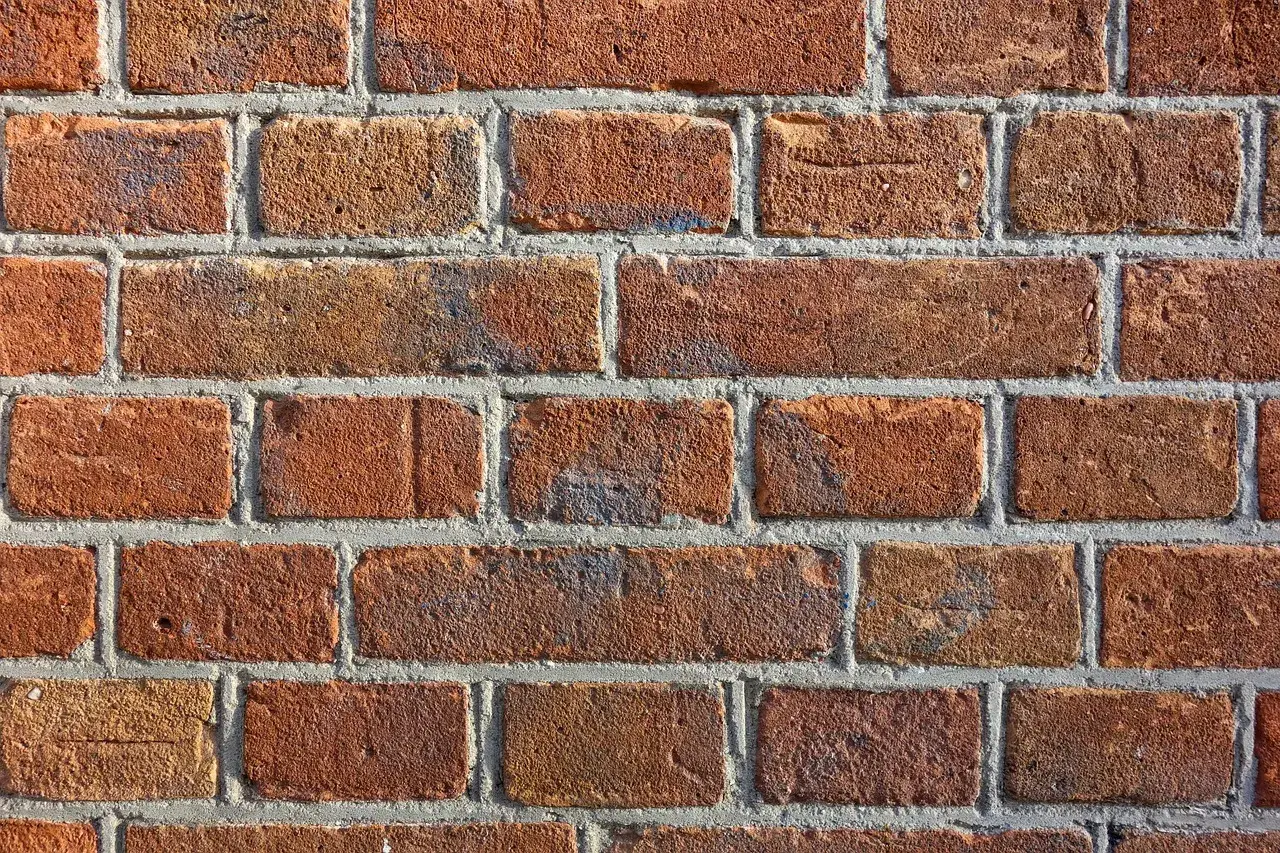
Real brick veneer is the traditional choice for Illinois homes and remains the most popular exterior cladding in the Midwest. Modern brick veneer is a single wythe (layer) of brick applied over a structural wall with an air gap and moisture barrier behind it. Brick offers exceptional freeze-thaw resistance, virtually zero maintenance beyond occasional mortar joint inspection, and a timeless appearance that never goes out of style. The main considerations are higher labor cost (brick laying is a skilled trade) and limited color/texture options compared to stone.
Natural Stone Veneer
Natural stone veneer uses real stone — limestone, fieldstone, bluestone, or slate — cut thin enough (1–2 inches) to apply as a veneer over a structural wall. The result is stunning, with genuine stone texture and color variation that manufactured products can't fully replicate. Natural stone is extremely durable and handles Illinois weather well. The trade-offs are higher cost and more complex installation that requires experienced masons.
Manufactured Stone Veneer
Manufactured stone veneer (also called cultured stone or faux stone) is made from Portland cement, aggregates, and iron oxide pigments cast in molds taken from real stone. Quality manufactured stone looks remarkably authentic and comes in dozens of styles, colors, and textures. It's significantly lighter than real stone, which means it can be installed on almost any wall without structural modifications. The downsides are a shorter lifespan and the potential for color fading over time.
Which Is Best for Illinois Weather?
All three options perform well in Illinois when properly installed. The critical factors for any exterior veneer in our climate are: proper moisture barrier installation behind the veneer, adequate flashing at all transitions (windows, doors, roofline), weep holes for moisture drainage, and correct mortar type for the material. Failures in Illinois are almost always caused by installation mistakes, not material deficiencies.
Get Expert Advice
Not sure which option is right for your home? RCC Masonry & Concrete provides free consultations and estimates for all veneer types. We'll assess your home's structure, discuss your aesthetic goals, and recommend the best material for your budget. Call (224) 441-5284 or contact us online.