Brick is one of the most durable building materials available, but the mortar holding it together is not permanent. In Northern Illinois, where freeze-thaw cycles punish masonry structures 80+ times every winter, mortar joints deteriorate steadily over time. Knowing the warning signs that your brick building needs professional tuckpointing can save you thousands in structural masonry repair costs down the road.
Tuckpointing is the process of removing deteriorating mortar from brick joints and replacing it with fresh, properly matched mortar. It's not cosmetic — it's a critical structural maintenance task that waterproofs your walls, prevents brick damage, and extends the life of your masonry structures by decades.
8 Warning Signs Your Building Needs Tuckpointing
1. Crumbling or Cracking Mortar Joints
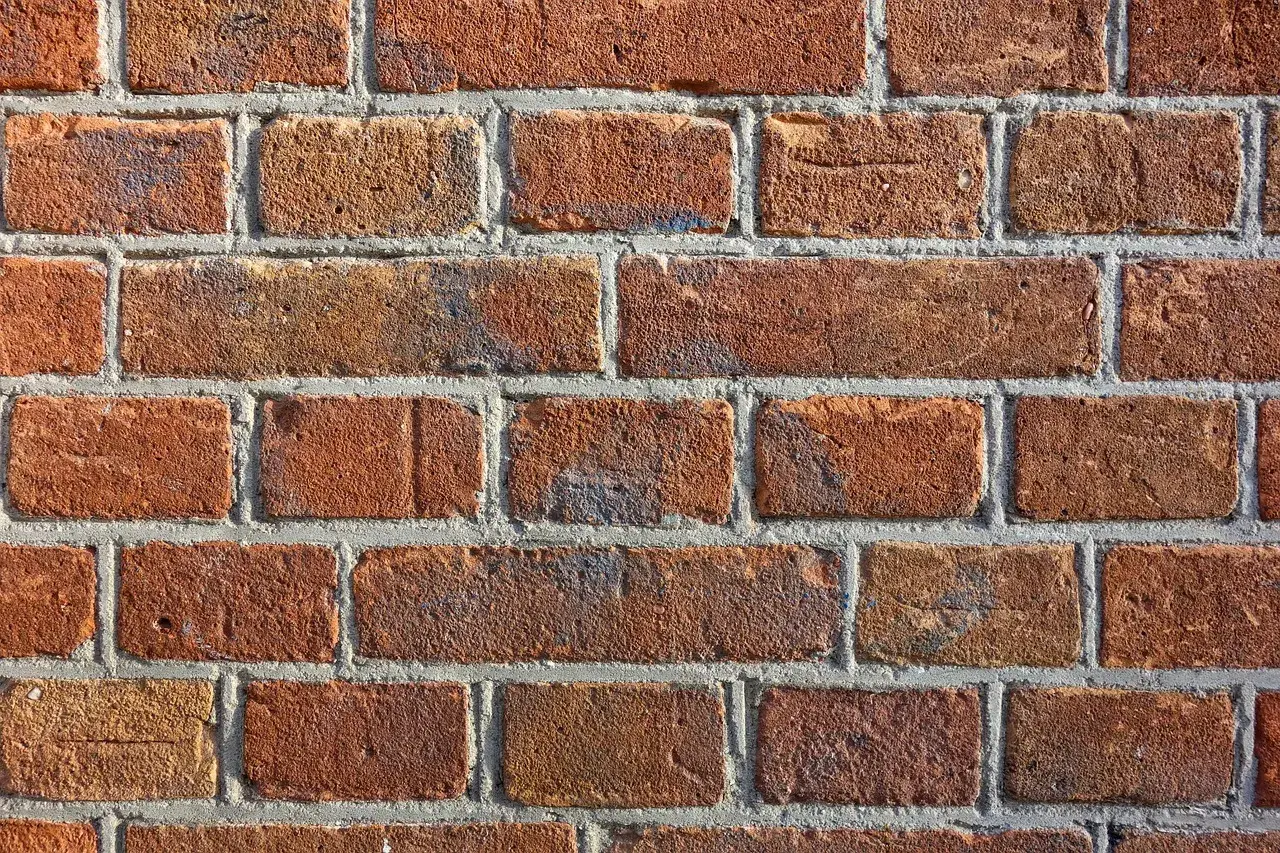
The most obvious sign is mortar that's visibly crumbling, cracking, or falling out of the joints. Run your finger along the mortar lines — if material flakes off or you can scrape it out with a key, the mortar has lost its binding strength. This deteriorating mortar can no longer keep water out, and every rain event drives moisture deeper into the wall.
2. Receding Mortar (Joints Look Sunken)
Healthy mortar joints should be roughly flush with or slightly recessed from the brick face. If the mortar has receded more than ¼ inch behind the brick, it's eroding from weather exposure. Deeply recessed joints act as tiny shelves that catch rainwater and direct it into the wall cavity — accelerating the deterioration cycle and creating conditions that demand brickwork repairs.
3. White Staining on Brick (Efflorescence)
White, chalky deposits on brick surfaces are called efflorescence. This occurs when water penetrates through failing mortar joints, dissolves mineral salts inside the masonry, and carries them to the surface where they crystallize as the water evaporates. Efflorescence is a direct indicator that water is moving through your wall — a problem that tuckpointing repair addresses at the source.
4. Loose or Shifting Bricks
If you can wiggle individual bricks by hand, the mortar has completely failed around those units. Loose bricks are a safety hazard — they can fall from height and cause injury. More importantly, loose bricks indicate that the surrounding mortar is also near failure. This level of deterioration typically requires both brick repair and tuckpointing to restore the wall's structural integrity.
5. Water Stains on Interior Walls
Damp spots, water stains, or peeling paint on interior walls adjacent to exterior brick are strong indicators that water is penetrating through failed mortar joints. By the time you see interior damage, the moisture problem has been developing for months or years. The wall cavity may contain hidden mold, rotted framing, or corroded structural elements that compound the cost of delayed masonry repair.
6. Brick Spalling (Faces Flaking Off)
Spalling is when the face of a brick chips, flakes, or pops off in layers. It's caused by water entering through deteriorating mortar, freezing inside the brick, and expanding with enough force to break the brick apart from the inside. Spalled bricks cannot be repaired — they must be replaced individually as part of the brick restoration process. The underlying cause is almost always failed mortar that should have been addressed with tuckpointing repair years earlier.
7. Gaps Between Bricks and Window/Door Frames
Visible gaps where brickwork meets window frames, door frames, or other structural elements indicate mortar failure and potential structural movement. These gaps allow water, air, and insects into the building envelope. In severe cases, they signal that the masonry structure is settling unevenly, which may require structural masonry repair beyond standard tuckpointing.
8. Stair-Step Cracks in Mortar Joints
Diagonal cracks that follow the mortar joints in a stair-step pattern are a serious warning sign. While minor stair-step cracks may indicate normal settling, wide or growing cracks suggest foundation movement, structural overload, or severe mortar failure. These cracks require immediate professional evaluation to determine whether tuckpointing repair alone will solve the problem or if deeper structural masonry repair is needed.
Why Timing Matters: The Cost of Waiting
Masonry deterioration is not linear — it accelerates exponentially. A small mortar crack lets in a little water. That water freezes and makes the crack bigger. The bigger crack lets in more water. Within a few seasons, what started as a $500 tuckpointing repair becomes a $5,000 wall restoration, and eventually a $15,000+ brick wall construction rebuild.
| Stage of Deterioration | Typical Repair Cost |
|---|---|
| Early mortar cracking (tuckpointing repair) | $500 – $3,000 |
| Moderate deterioration + some brick damage | $3,000 – $8,000 |
| Severe spalling + structural concerns | $8,000 – $15,000 |
| Full wall or chimney rebuild | $15,000 – $50,000+ |
How to Inspect Your Building
You can perform a basic mortar assessment yourself. Here's what to check:
- Walk the perimeter and visually scan all mortar joints for cracks, gaps, or receding
- Run a key or screwdriver along mortar lines — if material scrapes out easily, it's failing
- Check for efflorescence (white deposits) especially on north-facing and shaded walls
- Look at window sills, lintels, and chimney crowns — water pools at these points first
- Inspect interior walls opposite exterior brick for stains, dampness, or peeling paint
- Note any loose bricks — press firmly on any brick that looks suspect
If you spot any of these issues, the next step is a professional evaluation. At RCC Masonry & Concrete, we provide free on-site inspections throughout McHenry and Lake County, IL. We'll assess the condition of your masonry structures, identify the root cause, and provide a detailed written estimate for the necessary brickwork repairs — no pressure, no upselling.
Call (224) 441-5284 or request your free estimate online. Licensed, bonded, and insured — with a 5-year warranty on all masonry repair work.