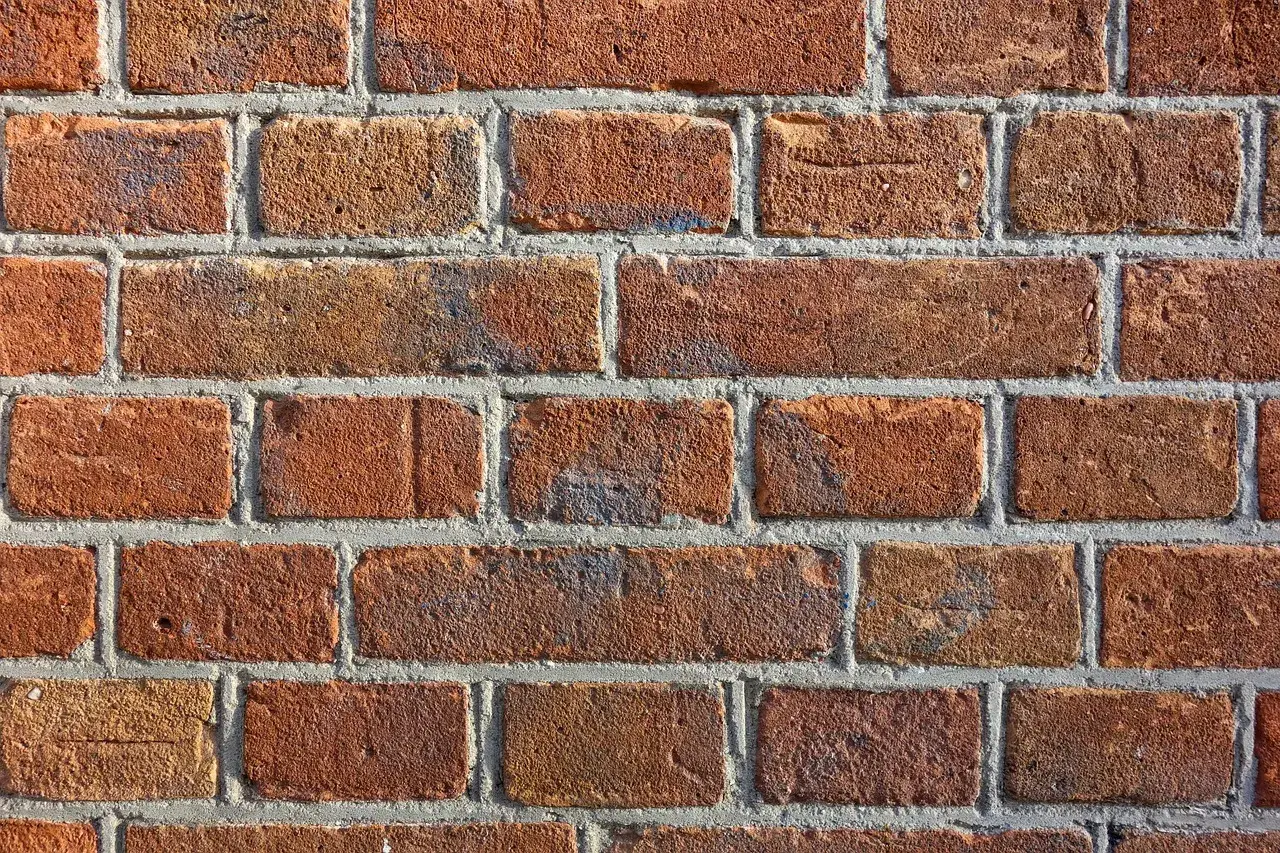
Woodstock, Illinois is known for its beautiful historic architecture — from the iconic Woodstock Square to tree-lined streets with brick homes spanning more than a century of construction. Whether you own a historic property in the downtown district or a newer brick home in the surrounding neighborhoods, maintaining your masonry is essential to protecting both your property value and your building's structural integrity.
This guide covers everything Woodstock homeowners and property owners need to know about masonry repair, from understanding common problems to navigating historic preservation requirements.
Woodstock's Unique Masonry Challenges
Woodstock sits at one of the higher elevations in McHenry County, which means slightly more wind exposure and colder temperatures than valley communities. Combined with the standard Northern Illinois assault of 80+ freeze-thaw cycles, heavy road salt use, and expansive clay soils, Woodstock buildings take a beating. The historic downtown buildings face additional challenges — many were built with softer brick and lime mortar that require specialized repair techniques modern contractors often get wrong.
Common Masonry Issues in Woodstock Homes
- Deteriorated mortar joints — the most common issue on homes 25+ years old. Mortar crumbles and recesses, allowing water behind the brick
- Chimney deterioration — exposed at the roofline to wind, rain, and freeze-thaw from all sides. Most Woodstock chimneys need attention every 15-20 years
- Failed steel lintels — homes built in the 1950s-1980s commonly have corroding lintels above windows. The rusting steel expands and cracks the brick above
- Spalling brick faces — freeze-thaw damage causes the outer face of brick to flake off, exposing the softer interior to accelerated damage
- Foundation mortar erosion — ground-level mortar takes punishment from splash-back, lawn sprinklers, and road salt runoff
- Historic mortar incompatibility — previous repairs using Portland cement mortar on old lime-mortar buildings cause the brick itself to crack and spall
Masonry Repair Costs in Woodstock
| Service | Cost Range |
|---|---|
| Tuckpointing (per sq ft) | $8 – $15 |
| Chimney tuckpointing | $800 – $2,500 |
| Lintel replacement (per opening) | $800 – $2,500 |
| Brick replacement (per sq ft) | $15 – $30 |
| Chimney rebuild (above roofline) | $3,000 – $8,000 |
| Historic lime mortar tuckpointing | $12 – $20/sq ft |
Historic Woodstock Buildings: Special Considerations
If your building is in or near the Woodstock Historic District — especially the buildings around the famous Woodstock Square — masonry repairs require extra care. Historic brick is typically softer than modern brick, and the original mortar was lime-based. Modern Portland cement mortar is much harder than the brick itself, which causes the brick to crack and spall rather than allowing natural flex. A qualified masonry contractor must use historically appropriate lime mortar (Type O or Type K) and match the original joint profile and color.
The Woodstock Historic Preservation Commission may review exterior masonry work on designated historic properties. RCC has experience working within these guidelines and can coordinate the review process for property owners.
Woodstock Neighborhoods We Serve
RCC Masonry & Concrete provides tuckpointing, brick repair, chimney repair, and foundation repair throughout Woodstock and surrounding communities including Bull Valley, Greenwood, Ridgefield, and the lakefront communities. We're familiar with the building styles, soil conditions, and weather patterns specific to this part of McHenry County.
Get a Free Masonry Assessment in Woodstock
Whether you own a historic building on the square or a ranch home in a Woodstock subdivision, RCC provides free on-site masonry assessments with honest recommendations. We'll inspect every wall, identify all issues, and provide a detailed estimate. Call (224) 441-5284 or visit our Woodstock service area page. Every repair carries our 5-year workmanship warranty.