When you notice damage on your brick home, the first step is identifying what type of damage you're looking at. Different types of brick damage have different causes, different urgency levels, and different repair methods. Knowing what you're dealing with helps you communicate effectively with your mason and understand the repair recommendations.
RCC Masonry & Concrete has repaired every type of brick damage across McHenry County and Lake County. Here's our guide to identifying the most common issues.
1. Spalling: Faces Flaking Off
What it looks like: Brick faces flaking, chipping, or popping off in layers, leaving rough, pitted surfaces. Fragments may be found on the ground below the affected area. In severe cases, half or more of the brick face is gone.
What causes it: Freeze-thaw cycles. Water enters the brick, freezes, expands, and forces the outer layer to separate. Softer, more porous bricks are more susceptible. Using hard cement mortar on soft bricks accelerates spalling.
Urgency: Moderate. A few spalled bricks aren't structural, but they allow more water into the wall, worsening damage to neighboring bricks. Fix before the next winter.
2. Mortar Joint Deterioration
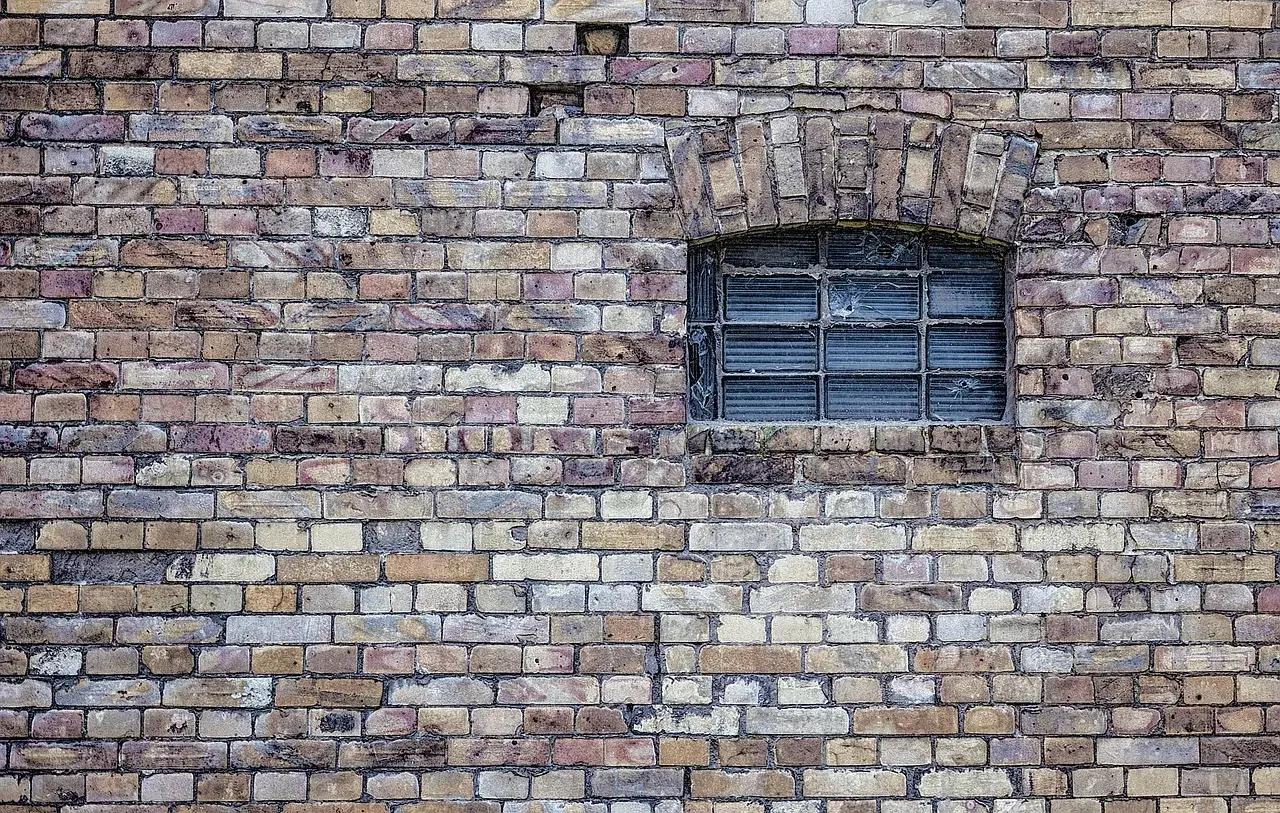
What it looks like: Mortar between bricks is crumbling, recessed behind the brick face (more than ¼ inch), falling out in chunks, or completely missing in spots. Running a key or screwdriver along the joint causes mortar to crumble easily.
What causes it: Normal weathering, accelerated by freeze-thaw cycles and wind-driven rain. Mortar is intentionally softer than bricks and is designed to deteriorate first — it's a sacrificial element that protects the bricks.
Urgency: High. Failed mortar is the primary entry point for water that causes all other types of damage. Tuckpointing is the standard repair and should be done before winter.
3. Efflorescence: White Deposits
What it looks like: White, powdery, or crystalline deposits on the brick surface. May appear as a uniform haze or concentrated streaks, often below window sills, near the foundation, or on chimney stacks.
What causes it: Water dissolves mineral salts inside the masonry and carries them to the surface as it evaporates. Efflorescence itself is cosmetic, but it's a reliable indicator that water is moving through your masonry.
Urgency: Low for the deposits themselves, but investigate and fix the water source (failed mortar, flashing, or drainage). Professional masonry cleaning removes the stains.
4. Stair-Step Cracks
What it looks like: Cracks that follow the mortar joints in a zigzag, stair-step pattern, typically starting from a corner, window, or door opening.
What causes it: Differential settlement — one part of the building settling at a different rate than the rest. Frost heaving can also cause stair-step cracking in Northern Illinois when frost pushes up under one section of footing.
Urgency: Moderate to high. Stair-step cracks indicate structural movement. Small, stable cracks may only need repointing. Growing cracks or those with displacement require foundation evaluation.
5. Horizontal Cracks
What it looks like: A continuous horizontal crack running along a single mortar joint course, typically at or just below grade level on foundation walls.
What causes it: Lateral pressure — soil pressing against the wall from the outside. In basements, this is hydrostatic pressure from water-saturated soil, amplified by frost expansion in winter.
Urgency: High. Horizontal cracks indicate inward bowing and are a structural concern requiring professional assessment and reinforcement.
6. Biological Growth: Moss, Algae & Ivy Damage
What it looks like: Green moss or algae growth on shaded, damp brick surfaces. Ivy or vine roots growing into mortar joints. Dark staining from biological growth.
What causes it: Persistent moisture on the brick surface, especially on north-facing walls with limited sun exposure. Ivy roots penetrate mortar joints, loosening them and creating water entry points.
Urgency: Low to moderate. Remove ivy before it causes structural damage. Clean moss and algae before they trap moisture against the brick, causing spalling. Improve drainage and air circulation in the affected area.
7. Displacement or Bulging
What it looks like: A section of wall that's visibly bowed outward, individual bricks protruding beyond the wall plane, or a wall leaning away from the structure.
What causes it: Failed wall ties (metal connectors between the brick veneer and structural wall), severe water damage weakening the mortar, or structural settling causing the wall to shift.
Urgency: Critical. Bulging or displacement is a collapse risk. Stop using the area near the affected wall and call a professional immediately.
Not sure what type of damage you're looking at? RCC Masonry & Concrete provides free inspections and honest assessments throughout McHenry County and Lake County. Call (224) 441-5284 — we'll identify the problem and recommend the right repair.